
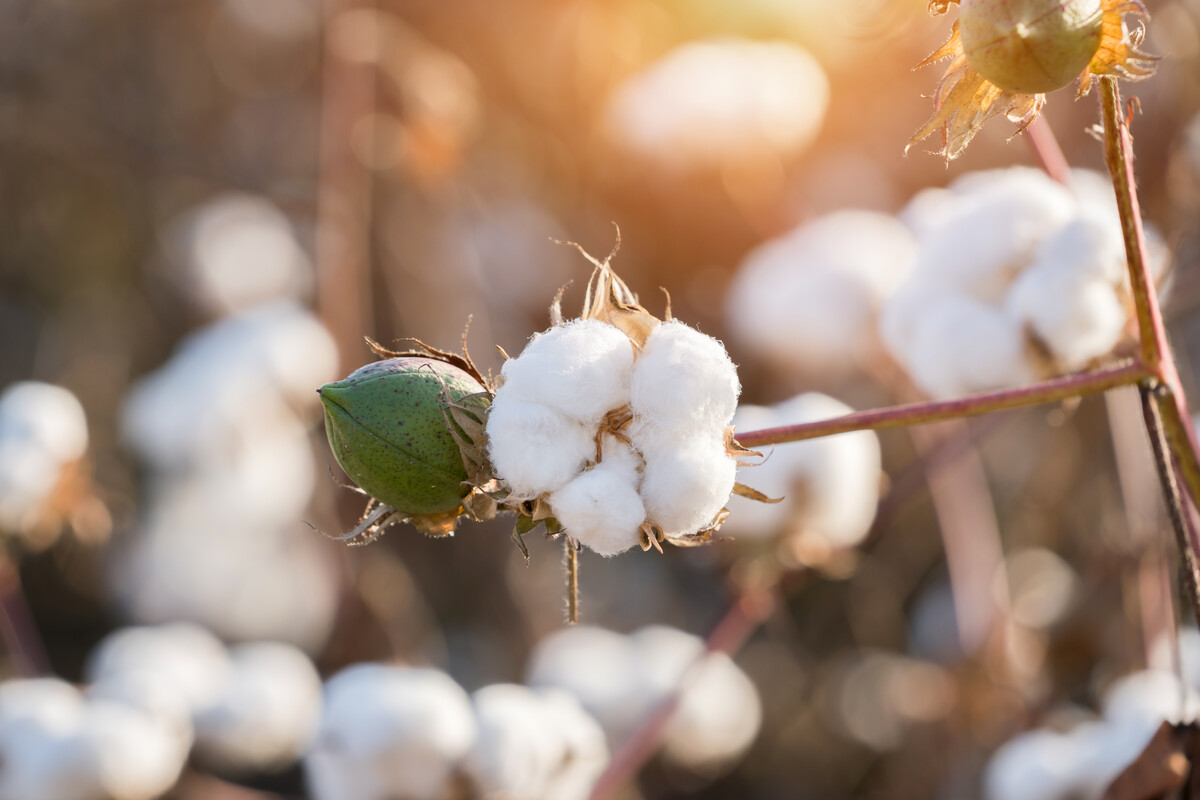
OEKO-TEX® ORGANIC COTTON combines textile certification, laboratory testing and supply chain transparency in one globally standardised system. It helps companies substantiate organic cotton claims, reduce sourcing risks and offer products with independently verified credentials.
Unlike certifications that primarily verify organic fibre content and chain of custody, OEKO-TEX® ORGANIC COTTON combines organic verification with quantitative GMO testing, comprehensive harmful-substance testing and internationally recognised chemical compliance requirements. This provides companies with additional assurance for product safety, supply chain integrity and regulatory readiness.
What is OEKO-TEX® ORGANIC COTTON?
OEKO-TEX® ORGANIC COTTON is an independent certification for textile products made with organically cultivated cotton. Verification begins at farm level and continues through processing stages such as ginning, spinning, knitting, weaving and garment production.
Products carrying the label are tested for genetically modified cotton, pesticides and other harmful substances. A quantitative GMO testing method helps distinguish between incidental contamination—such as fibre fly—and deliberate mixing with conventional cotton.
The certification also follows the OEKO-TEX® product-class principle: the more intensive the expected skin contact, the stricter the human-ecological requirements and laboratory limit values. Globally standardised criteria support consistent assessment across international supply chains.
The requirements reflect applicable international regulations and are reviewed regularly. Limit values for harmful substances are assessed at least annually, helping certified companies respond to scientific developments and changing regulatory expectations.
What are the certification requirements?
All components of the article submitted for certification must comply with the applicable conditions, testing criteria, and limit values defined in the standard.
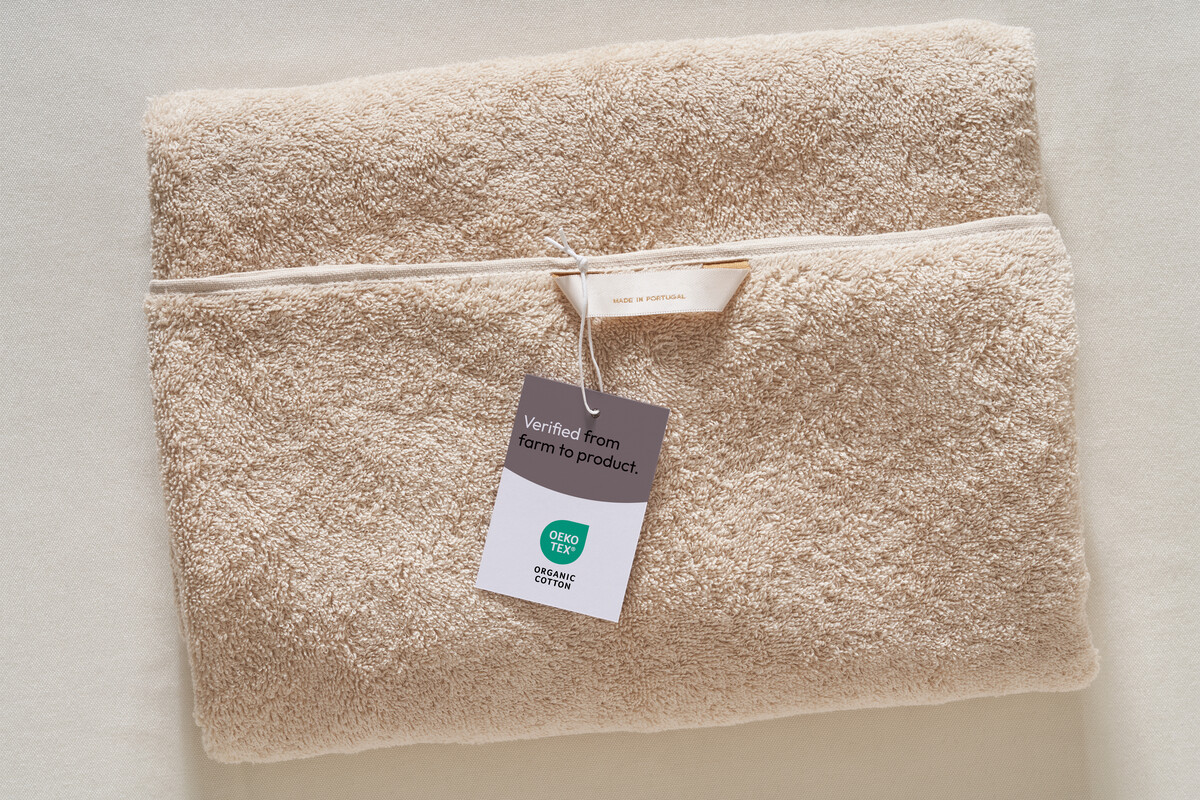
Applicants must meet several requirements:
- Farms must be certified according to one of the IFOAM Family of Standards.
- The entire supply chain must be fully traceable through OEKO-TEX® transaction certificates.
- Your company must successfully complete an annual quality audit conducted by an OEKO-TEX® institute.
- Intentional blends of organic and conventional cotton are not permitted
What are the business benefits?
Credible verification from farm to product
The process starts at the farm, where organic cultivation is verified under IFOAM-recognised standards. Transaction certificates then document the flow of cotton through each relevant processing stage to the finished article. This improves traceability and makes the movement of organic cotton more transparent.
Greater protection against fraud
Quantitative GMO testing provides more information than a simple positive-or-negative result. It helps distinguish incidental contamination from intentional mixing with conventional cotton, supporting stronger material-integrity controls. This strengthens material‑integrity controls and gives brands and manufacturers more assurance that their organic cotton claims are supported by independent lab data, helping to lower fraud risks in complex global supply chains.
Comprehensive product safety verification
Testing covers pesticides and other relevant harmful substances, including regulated azo colourants, pentachlorophenol, PFAS, cadmium and lead. All components of a labelled product must meet the defined requirements for the applicable product class. By combining organic cotton verification with comprehensive chemical testing, OEKO-TEX® ORGANIC COTTON helps companies demonstrate not only that the cotton is organically grown, but also that the finished product has been independently assessed for a broad range of substances relevant to consumer safety.
Supporting global regulatory compliance
The OEKO-TEX® ORGANIC COTTON criteria are aligned with key textile‑relevant regulations, such as EU REACH Annexes XIV and XVII, the EU POP Regulation, US CPSIA limits for lead and textile‑relevant substances on the ECHA SVHC Candidate List. For companies operating across several markets, this alignment can help streamline chemical‑management workflows and cut down on repeated supplier checks. The certification itself does not replace any legal obligations, but it can serve as structured documentation within product‑safety and due‑diligence programmes.
More efficient certified sourcing
Through OEKO-TEX®, brands and manufacturers can tap into a global network of over 35,000 certified companies, making it easier to find pre‑tested materials, chemicals and production partners. Additional efficiencies are possible across the OEKO-TEX® system. For example, using chemicals certified according to OEKO-TEX® ECO PASSPORT may reduce parts of the testing effort required for ORGANIC COTTON certification.
Advancing digital traceability with TextileGenesis
Organic cotton is gaining strategic relevance as brands, regulators and consumers increasingly expect robust sustainability claims and transparent supply chains. By 31 December 2025, OEKO-TEX® ORGANIC COTTON had grown by 381% compared to the previous year.
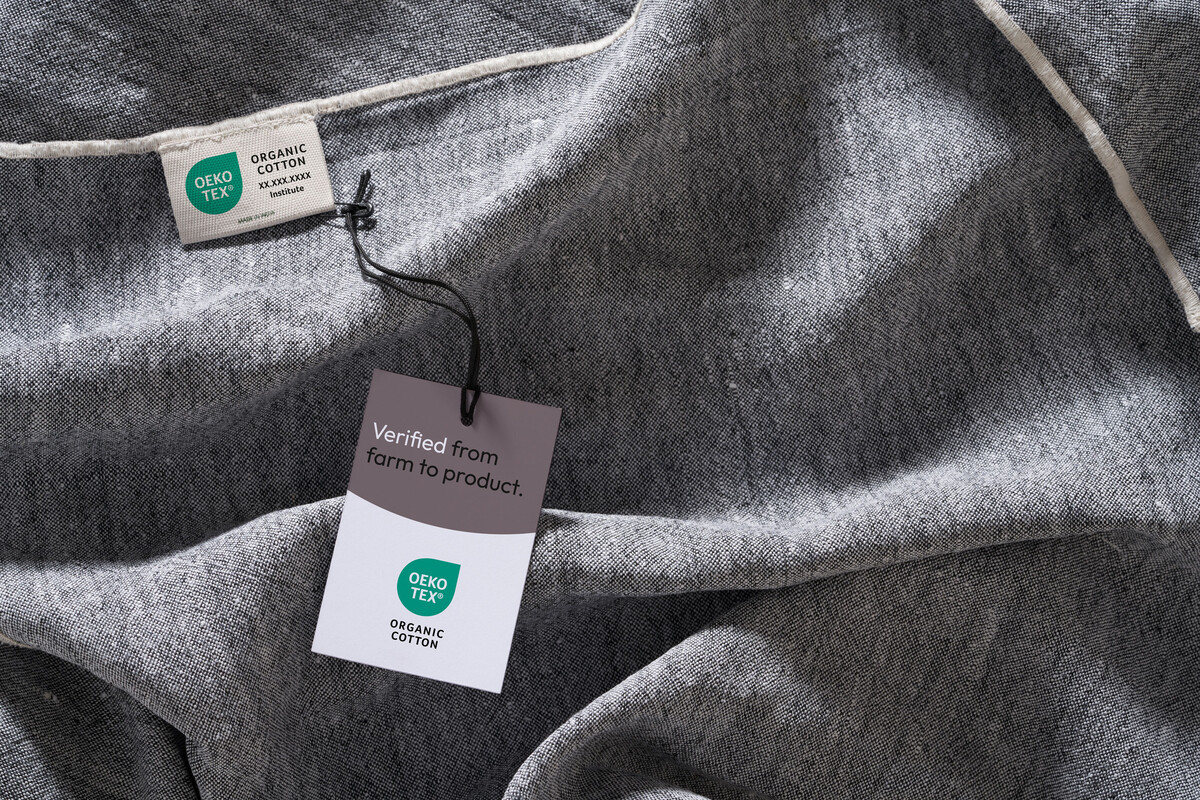
As volumes rise, so does the need for scalable, fraud‑resistant chain‑of‑custody solutions. OEKO-TEX® has therefore selected TextileGenesis, a Lectra company, to strengthen digital traceability and authentication for certified organic cotton.
The cooperation combines OEKO-TEX® certification expertise and its closed testing system with the TextileGenesis digital traceability platform. Transaction Certificates are being digitalised so that certification data and physical material movements can be managed within one secure system.
Build confidence into organic cotton claims
OEKO-TEX® ORGANIC COTTON combines verified organic cultivation, documented material flows, quantitative GMO testing and extensive checks for harmful substances. Together, these elements create a robust textile certification that supports product integrity, improves supply chain transparency and enables companies to market certified organic cotton products with greater assurance.
For companies looking to go beyond organic fibre verification alone, OEKO-TEX® ORGANIC COTTON offers an additional level of confidence through laboratory testing, chemical compliance and fraud prevention—helping brands build greater trust with customers, regulators and business partners alike.
As an official OEKO-TEX® representative, we guide you through the entire certification journey – from defining the scope and preparing the required documentation to coordinating testing and supporting ongoing compliance over time.