Traceability is becoming an increasingly important part of the textile industry. Companies are under growing pressure to provide reliable information about where products and materials come from, how they move through the supply chain and how sustainability claims can be verified.
This development is also reflected across the OEKO-TEX® portfolio. OEKO-TEX® ORGANIC COTTON is now represented in supply chains across more than 20 countries, while certified cotton volumes have exceeded 33 million kilograms at ginning level. The number of certificates issued also increased significantly compared to the previous year, underlining the growing relevance of traceability and digitalisation in the organic cotton segment.
The collaboration with TextileGenesis supports this development by helping to digitalise transactions across the supply chain and making traceability processes more structured and scalable.
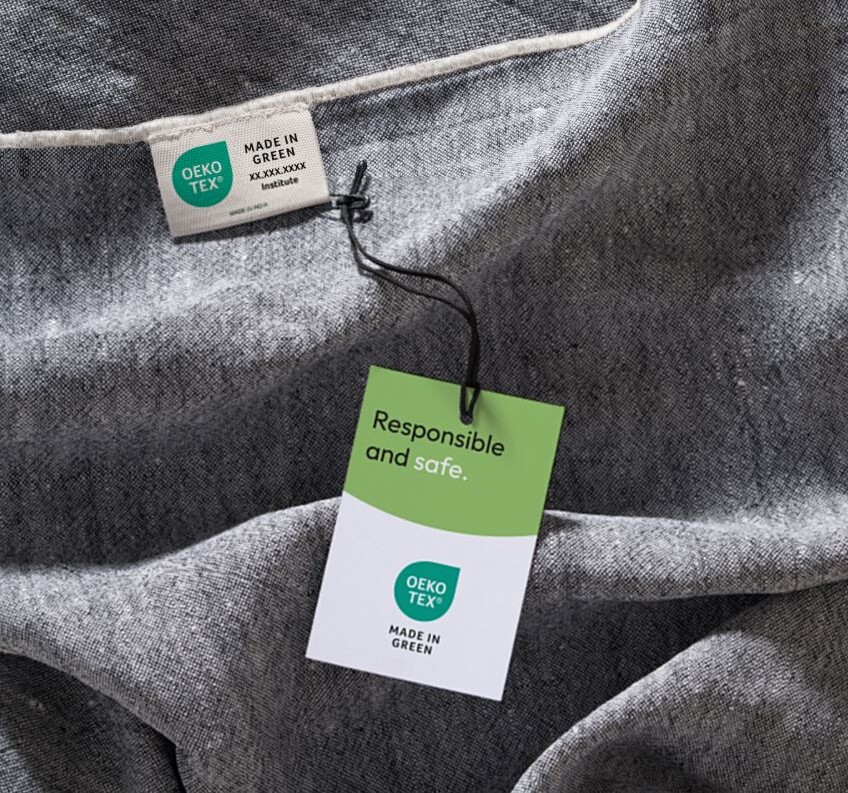
At the same time, OEKO-TEX® MADE IN GREEN continues to gain relevance, with demand increasing by more than 13 per cent. This growth comes as regulatory requirements place greater emphasis on transparency, credible sustainability claims and independent verification.
The OEKO-TEX® Annual Report 2025/2026 provides further insights into these developments, as well as additional progress in product and quality controls.