
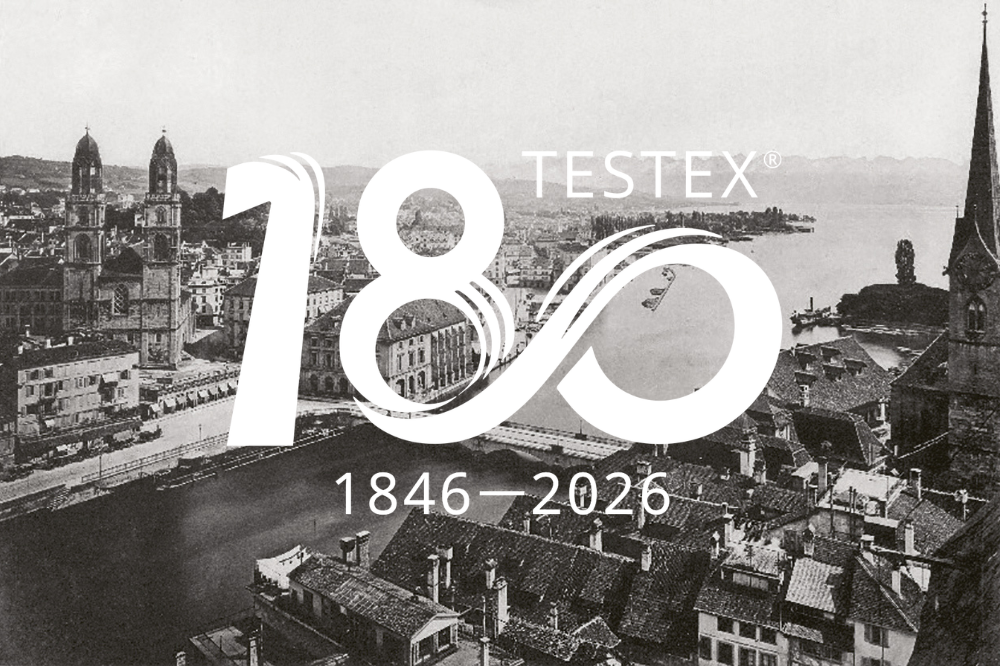
For compliance teams, brands and sustainability managers, this history is more than a milestone. It shows how testing and certification expertise must evolve as materials, supply chains and expectations change. The methods and applications may be different today, but the need for reliable, comparable information remains central to informed decisions across the textile and leather supply chain.
Where a Swiss testing and certification institute began: Zurich, 1846
TESTEX began with a very practical challenge. In the nineteenth-century silk trade, the weight of raw silk could vary depending on its moisture content. That made reliable commercial comparison difficult.
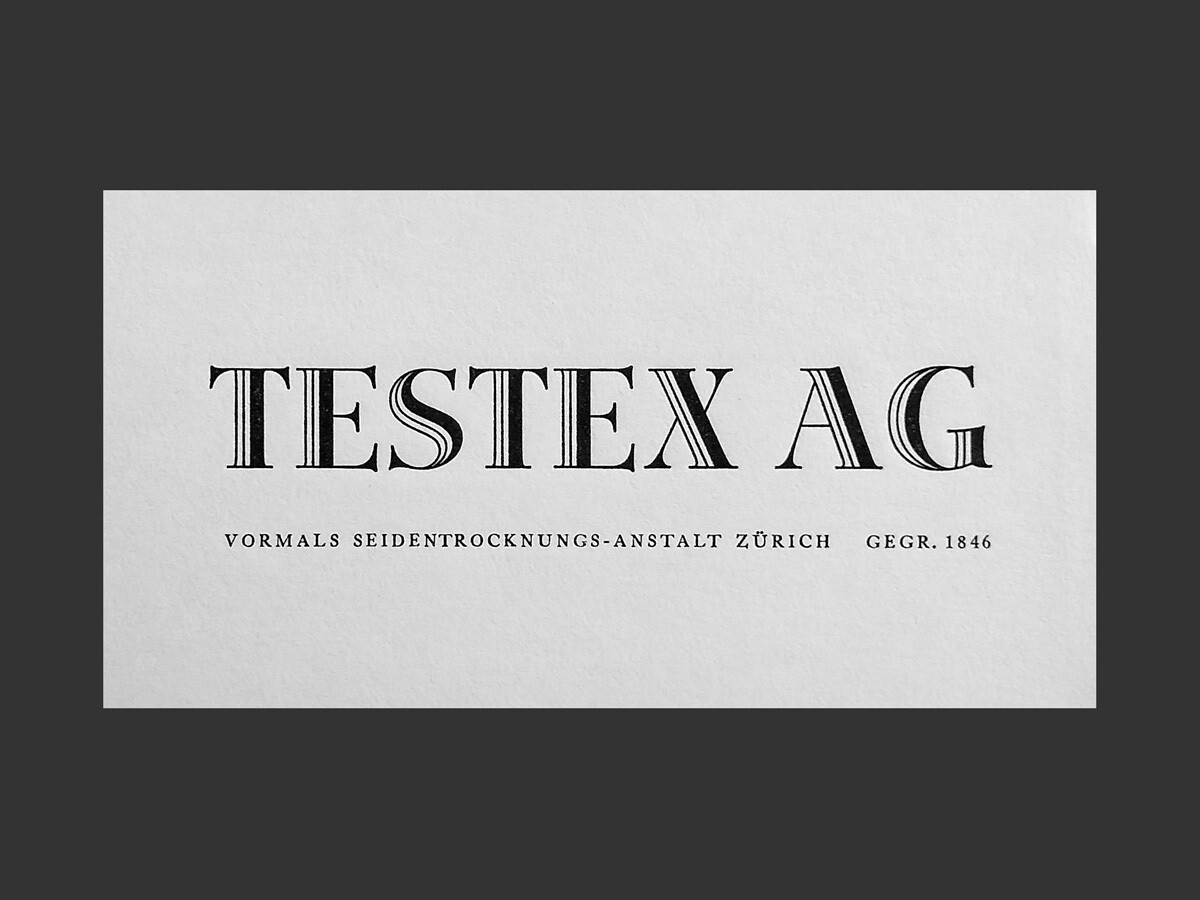
The Zurich Silk Conditioning Institute was founded in 1846 to provide an independent basis for determining the commercial weight of silk. By conditioning the material and establishing a comparable weight, the institute helped make transactions more transparent and measurable.
This early task already contained a principle that still defines testing today: quality becomes more useful when it can be measured consistently. Reliable results allow different parties to work from the same factual basis, whether the question concerns the weight of raw silk, the properties of a textile material or the fulfilment of defined certification requirements.
The original context has changed completely, but the role of independent measurement remains familiar. For companies working across international value chains, trust depends on information that can be understood, documented and compared.
From silk conditioning to broader textile testing
A company with a long history remains relevant only if its expertise continues to develop. TESTEX began expanding beyond its original silk-conditioning activities relatively early. In 1890, the institute enlarged its service range with a new chemistry laboratory. As Zurich's silk industry later declined, diversification became increasingly important.
The economic changes of the twentieth century accelerated this transition. The institute expanded its activities to other fibres, yarns and textile products and developed into a broader textile testing organisation. In 1970, the Zurich Silk Conditioning Institute became TESTEX AG. The new name reflected a transformation that had already been taking place for decades: silk was no longer the sole focus, while textile testing had become central to the organisation's work.
That ability to respond to changing materials and market needs is an important part of TESTEX's heritage. The organisation did not preserve its relevance by preserving one single method. It did so by maintaining the purpose behind the method: providing dependable results that support informed decisions.
From textile quality to product safety and common standards
By the beginning of the 1990s, environmental and health-related questions were becoming increasingly important in the textile sector. In 1993, TESTEX joined OEKO-TEX® and began testing textiles according to human-ecological requirements.
This marked another important stage in the company's development. Testing was no longer only about understanding material properties or quality. It increasingly also supported the assessment of textiles against defined criteria for product safety.
As textile production and sourcing became more international, the value of consistent requirements also increased. Brands, manufacturers and suppliers needed testing and certification results that could be understood across different production regions and markets. TESTEX's work therefore developed in parallel with the growing internationalisation of the textile supply chain.
Today, the TESTEX Group is an accredited certification body of OEKO-TEX® and serves as the official OEKO-TEX® representative in multiple countries and regions. For compliance and sustainability functions, the broader principle remains relevant: credible decisions require clearly defined criteria, reliable testing and evidence that can be communicated across organisational and geographic boundaries.
Swiss roots, international presence
TESTEX's international development began with a clear shift in the textile industry. As production and sourcing increasingly moved towards Asia, being close to customers and their supply chains became more important. In 1995, TESTEX opened its first branch outside Switzerland in Hong Kong.
The organisation continued to expand its international presence in the following decades. In 2013, TESTEX AG and the Austrian company OETI formed the TESTEX Group. Today, the TESTEX Group employs over 400 people at more than 45 locations worldwide.
This combination of Swiss roots and local presence reflects how the role of a testing and certification organisation has changed. Internationally consistent requirements need to work in real supply chains, across different markets and production regions. Local expertise and customer proximity therefore complement the central need for consistency and independence.
180 years of heritage as a foundation for what comes next
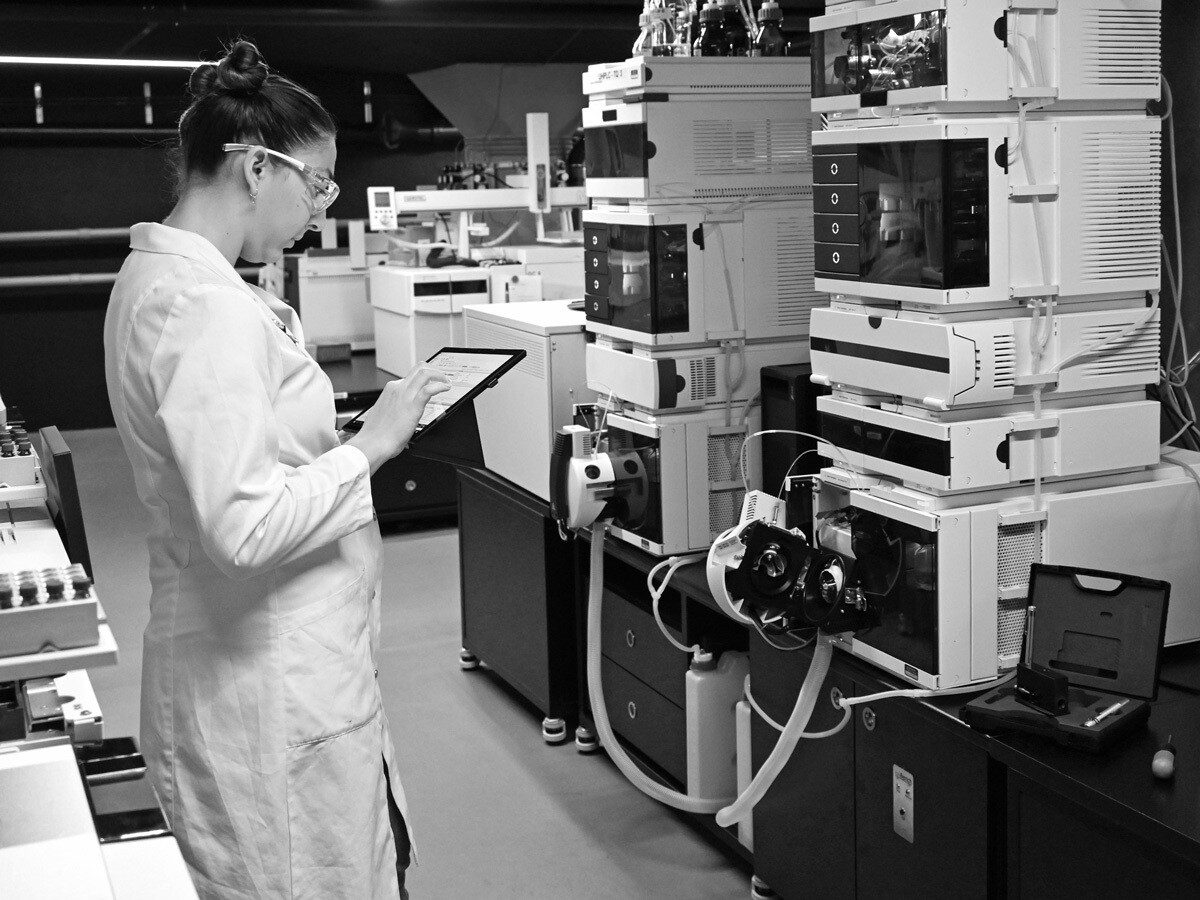
The history of TESTEX is a history of continuous transformation: from silk conditioning to textile testing, from a local Zurich institution to an international organisation, and from traditional quality assessment to a broader range of testing and certification activities for textiles and leather.
For a Swiss testing and certification institute, heritage is valuable when it provides orientation rather than nostalgia. The textile and leather industries continue to face new materials, changing requirements and growing expectations around product safety, quality, sustainability and credible communication. The specific questions are different from those of 1846, but the need to make complex issues measurable has not disappeared.
For brands, textile manufacturers, compliance teams and sustainability professionals, the practical value lies in reliable information that supports decisions across the supply chain. TESTEX's 180-year anniversary therefore marks both continuity and change: continuity in the commitment to dependable results, and change in the methods, expertise and international structures required to provide them.
