
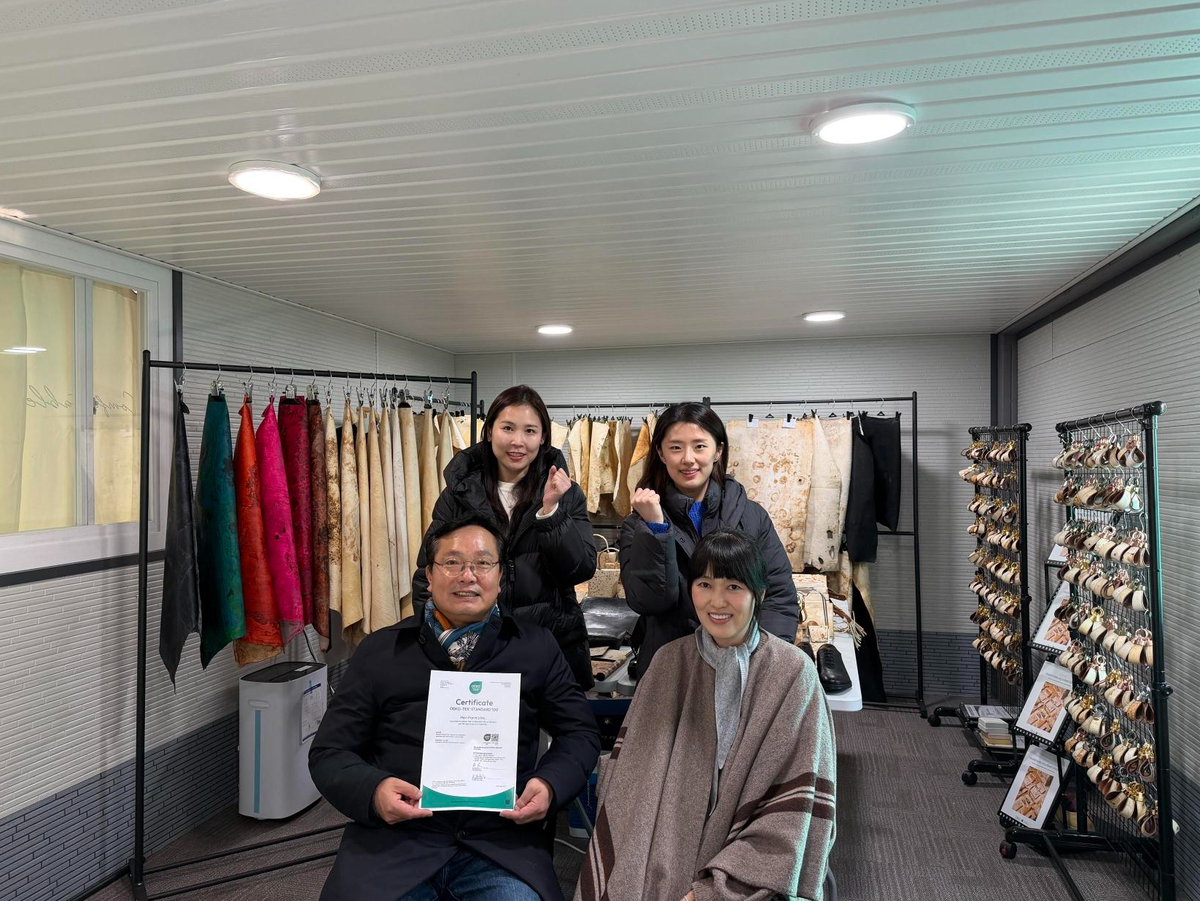
Could you briefly introduce your company?
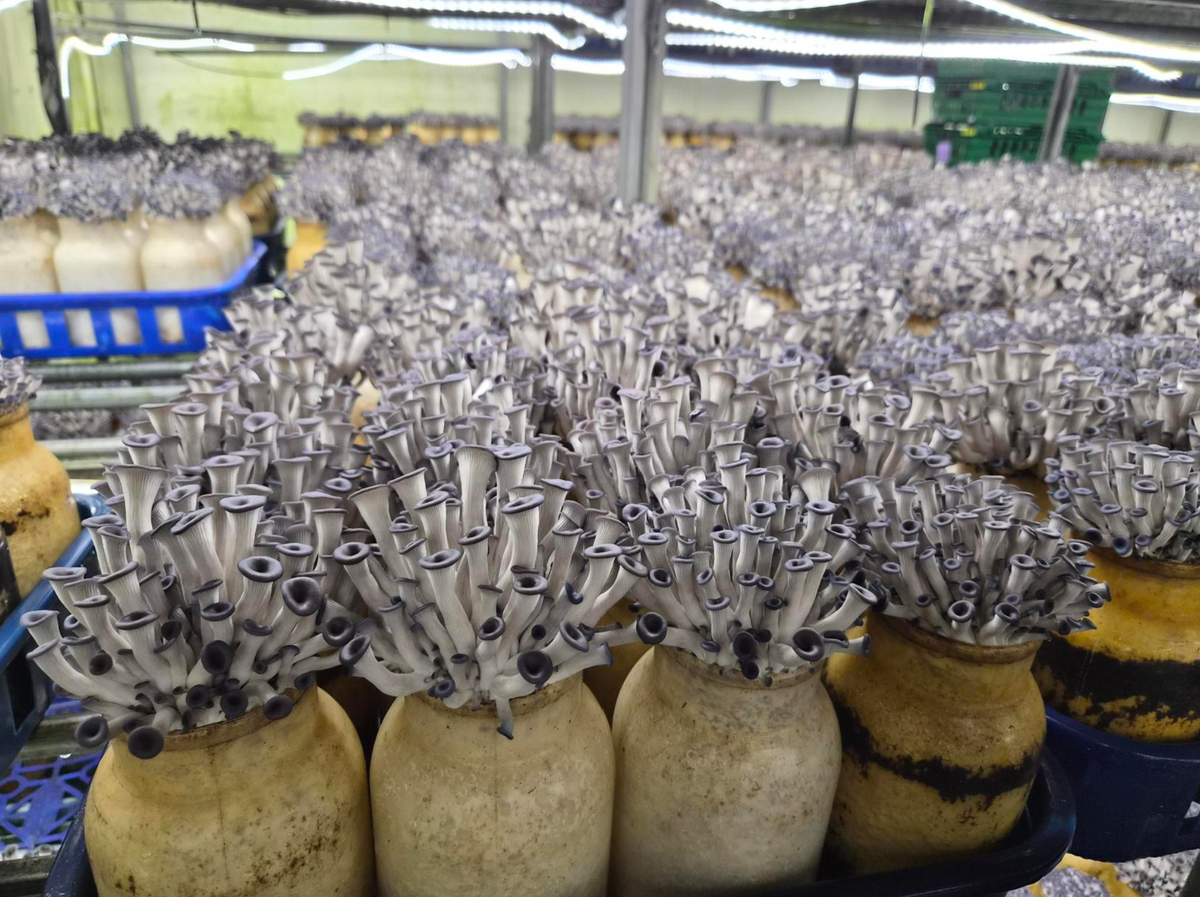
Heri Farm’s is a biotechnology company specialising in mushroom- and mycelium-based materials. Over the past 28 years, we have cultivated mushrooms firsthand, gaining deep expertise in how mycelium grows and the environmental conditions under which it forms the most stable structures. Building on this extensive agricultural experience, we are now able to manage the entire process in-house, from strain development and culturing to mycelium mat formation and finishing. This integrated approach enables us to produce mycelium-based fabrics that are truly usable in industrial applications. Our goal is to move beyond laboratory-scale concepts and deliver standardised, scalable, and mass-producible biomaterial solutions to the market.
What makes your company unique in your industry?
Our greatest distinction lies in our ability to produce fabric made entirely from pure mushroom mycelium. While many mycelium-based materials rely on PU coatings, synthetic resins, cotton fabrics, or non-woven reinforcements to achieve the necessary physical properties, Heri Farm’s Holon fabric attains performance solely through the mycelium’s inherent three-dimensional biological structure and our natural-material-based crosslinking technology, without any external reinforcement.
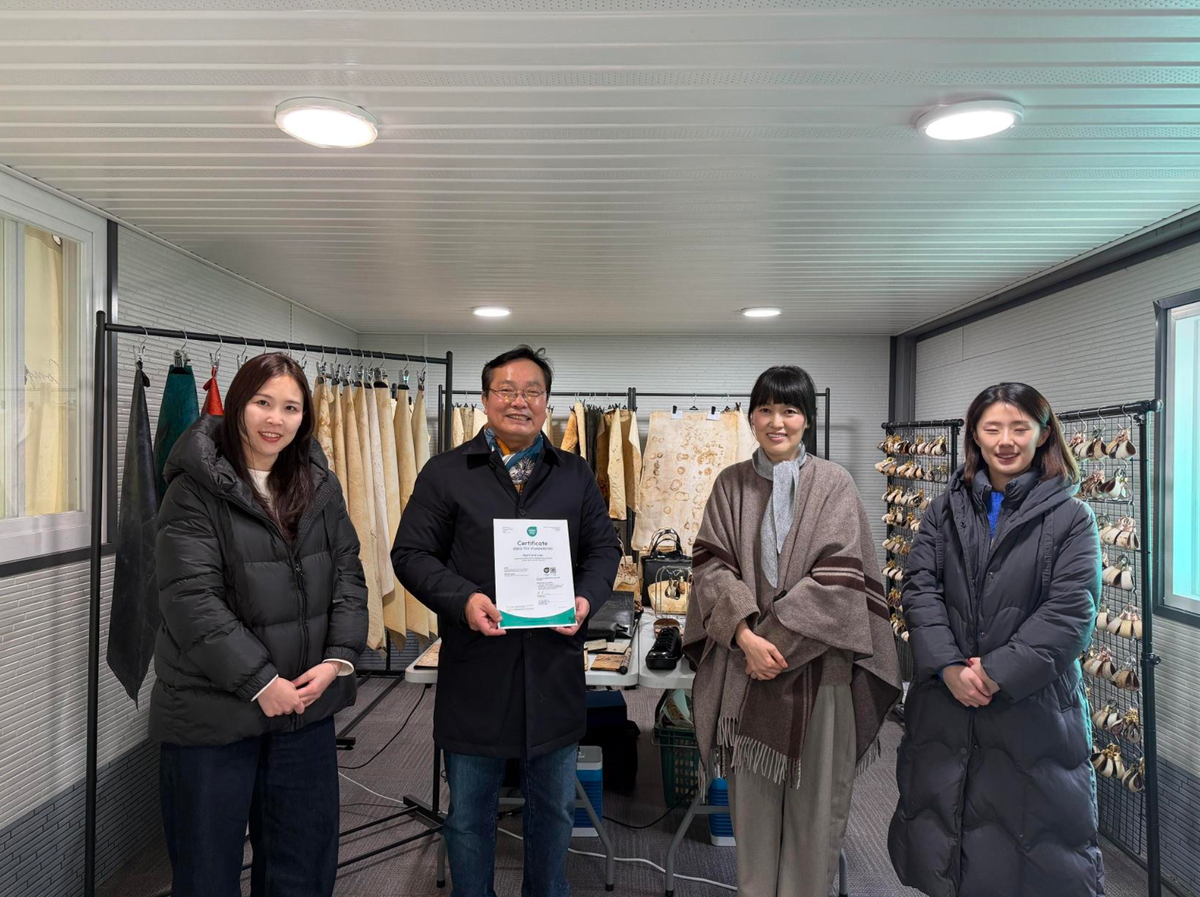
This technology has been certified as a New Excellent Technology (NET) by the South Korean government. Products manufactured using this process have also obtained OEKO-TEX® STANDARD 100 certification. We have registered five mycelium strains optimised for mycelium leather, with one currently undergoing an international patent application. Most importantly, these technologies are not confined to research. We have built an industrial-scale smart farm environmental control system that enables stable mass production. With humility, we continue to move forward step by step, ensuring that each advance is rigorously validated.
What values or principles guide the way your company works?
The name “Heri Farm’s” reflects our core philosophy. HERI stands for Human, Environment, Responsibility, and Innovation, while “Farms” represents agricultural life science.
This philosophy is embodied in our brand “Holon”, derived from the concepts of “the whole” and “a part”. It reflects our belief that every entity is complete in itself while also being part of a greater whole, and our hope that our material will contribute meaningfully to a sustainable future.
Guided by this philosophy, we uphold three core principles:
- Safety — ensuring materials are truly safe for people and the environment
- Transparency — making processes clear and understandable
- Accountability — taking responsibility from start to finish
We believe these principles are what led us to our valued partnership with TESTEX.
How did your sustainability and quality journey begin?
We did not begin our journey with certification in mind. Because mycelium is a living biological material, even slight variations in environment or processing can lead to significant differences in the final outcome.
Over time, we realised that intuition was not enough — every step needed to be explainable and verifiable. Through this mindset, a quality management system began to take shape organically.
Later, when we decided to pursue OEKO-TEX® certification, we discovered that much of the foundation was already in place. Of course, there were still areas that required improvement, but refining them together with TESTEX became another valuable opportunity for growth.
What challenges did you face in meeting compliance requirements?
The biggest challenge was that our material is entirely new and does not fit neatly into existing classification systems. Mycelium is a self-organising structure composed of beta-glucans, chitin, and proteins, and there were no established standards for how such a material should be evaluated.
In addition, our natural-material-based crosslinking technology is fundamentally different from conventional chemical treatment methods, which made it difficult to demonstrate safety and effectiveness. These challenges ultimately helped us define our technology more clearly and enhance its overall robustness.
How did you first hear about TESTEX, and why did you choose to work with us?
While researching OEKO-TEX certification, we naturally came across TESTEX. The authority and credibility of OEKO-TEX within the global materials industry are well recognised, and among its partner institutes, TESTEX stands out for its long-standing experience and strong technical expertise.
The fact that TESTEX has an office in Seoul was especially important to us. It allowed for direct, face-to-face communication regarding the characteristics of our material — something that cannot be fully conveyed through email alone
How did TESTEX support you throughout the certification process?
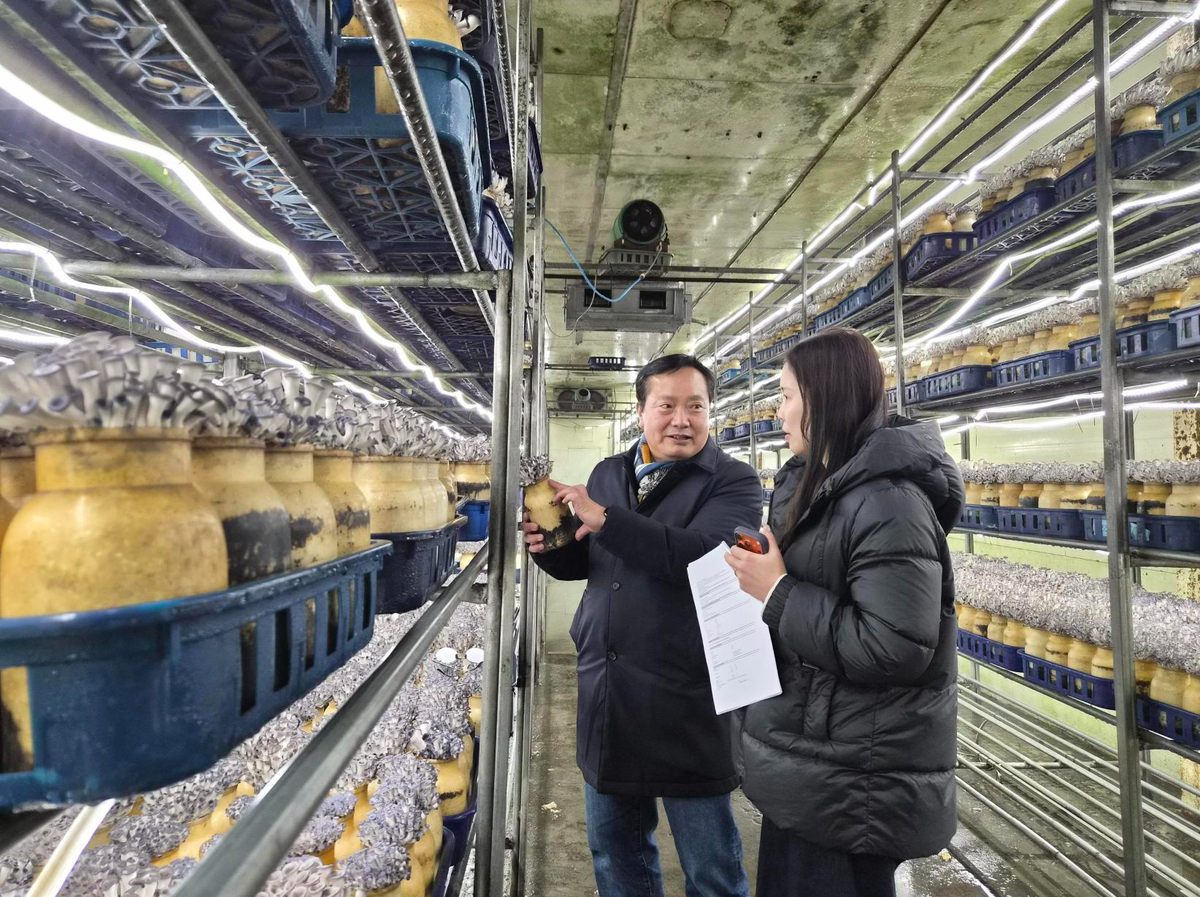
For us, TESTEX was far more than a testing institute. The team took the time to understand what our material is and what characteristics it possesses. Based on that understanding, they carefully guided us on which tests were necessary and how best to prepare for them.
One moment we especially remember is when one of our results initially failed to meet the required criteria. Instead of simply stating that it did not pass, TESTEX provided detailed feedback on why the result occurred and which areas could be improved. Thanks to this guidance, we refined our pH management and strengthened our process validation system. What impressed us most was the way TESTEX communicated with us. Their approach was never just procedural or formal—they genuinely made an effort to understand our technology. They explained not only what each requirement was, but why it mattered, enabling us to internalize the standards rather than simply trying to meet them. We were also deeply impressed by their openness and curiosity toward new materials. Instead of forcing our innovation into existing frameworks, they worked with us to consider how this entirely new material could be properly evaluated. For that, we are truly grateful.
What improvements did you experience after achieving certification?
The most significant improvement has been the advancement of our internal quality management system. We now have clear verification points and structured documentation for every stage of production.
More importantly, our employees’ mindset has changed. Compliance is no longer viewed as a one-time achievement, but as a management philosophy that must be continuously maintained and improved. This has elevated the overall culture of our company.
How has certification benefited your business and reputation?
Certification has brought about a significant transformation. Discussions with global brands and partners have become much more efficient, as explaining safety and quality now takes far less time.
The OEKO-TEX® name alone allows us to quickly build trust, signalling that our company has undergone rigorous and credible verification. Internally, our team’s confidence and pride have grown, reinforcing our belief that we are moving in the right direction.
Would you recommend TESTEX to other manufacturers?
Absolutely. We would especially recommend TESTEX to companies developing new technologies or materials. TESTEX is not merely a testing institute — they are a true partner that helps guide companies as they grow.
For businesses aiming for the global market, collaborating with an internationally recognized institution like TESTEX is not optional—it is essential. In our experience, working with them not only validated our material but also strengthened our company’s overall capabilities.
About Heri Farm’s Inc.
Heri Farm’s Inc. is a Korean biotechnology company specialising in mushroom- and mycelium-based materials. With nearly three decades of experience in mushroom cultivation, the company develops scalable, bio-based alternatives to conventional materials, guided by principles of safety, transparency, and accountability.
Interviewee:
Ms. Min Young Kim, Chief Marketing Officer, Heri Farm’s Inc.