

Circularity as a Strategic Priority
In 2024, Arc’teryx announced ambitious climate targets, including a 90 per cent reduction in scope 1 and 2 emissions and a 42 per cent reduction in scope 3 emissions by 2030, on its path to net zero by 2050. As the largest share of greenhouse gas emissions in apparel is linked to materials, production and end-of-life impacts, circularity has become central to the brand’s strategy.
“Durability has been at the heart of our products since the brand began in 1989. Over the past four decades, we’ve seen the impact of overproduction and waste on the mountains we love and doubled down on our commitment to keeping gear in play for as long as possible”, said Andrew Yip, Senior Director, Advanced Concepts Materials, Arc’teryx.
“Over time, we kept encountering a consistent gap in the industry: there was no consistent definition or standard to help guests assess the circularity of the products they purchase. Working with TESTEX was a natural choice, given their rigorous testing history and how closely their framework aligned with our circular design principles.”
The Pilot Project
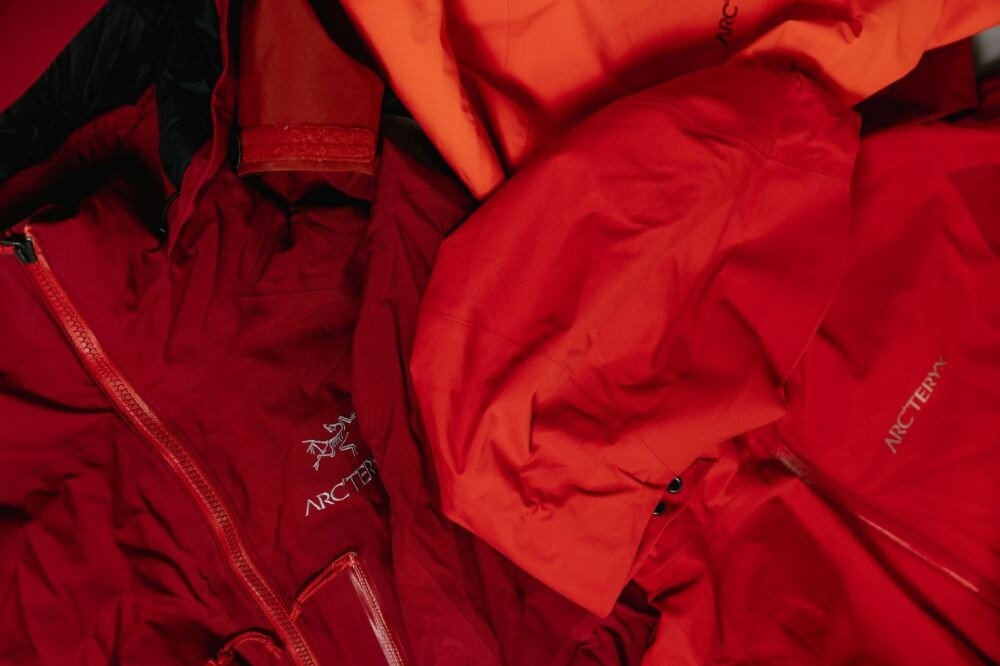
The pilot assessed selected Arc’teryx product categories against defined criteria for durability, repairability and recyclability. The certification process required extensive documentation and reporting, exceeding what is typically requested within the industry.
Arc’teryx actively contributed practical design insights to the pilot, helping to strengthen the framework and emphasising the importance of preferred and recycled materials. These elements were subsequently integrated into the final standard.
Results and Key Learnings
All tested products successfully met the certification criteria, reinforcing Arc’teryx’s long-standing focus on quality and longevity. Decades of experience in product development, including design solutions that improve repairability, supported strong performance across all assessed dimensions. At the same time, the process highlighted that circularity extends beyond product design alone. “We emphasised the importance of preferred and recycled materials in defining circularity, and were pleased to see these included in the final standard,” said Andrew Yip.
Why Third-Party Certification Matters
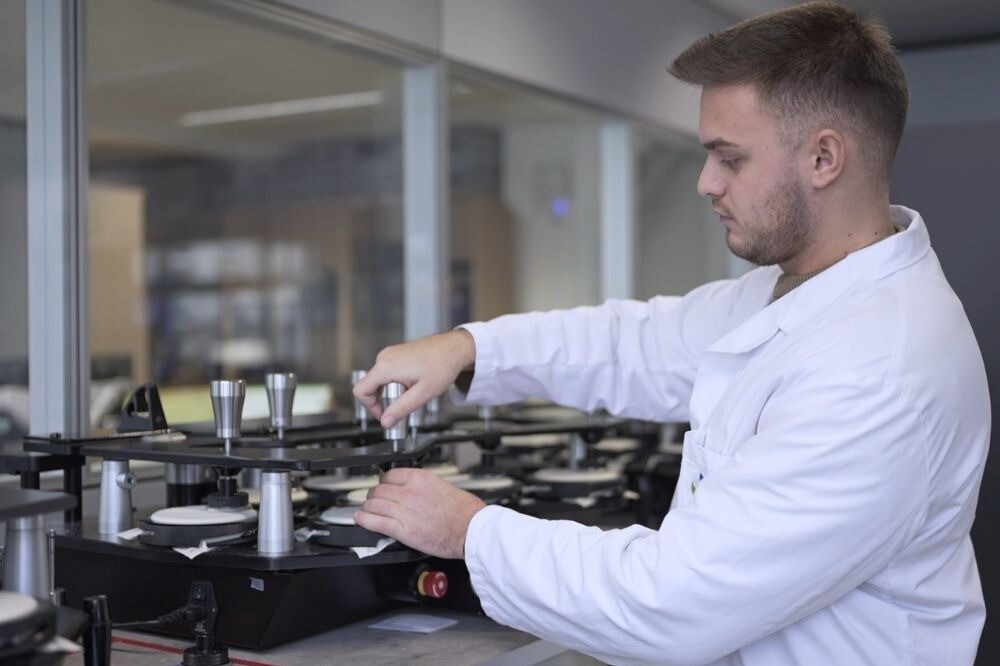
For both Arc’teryx and TESTEX, the pilot underlines the importance of independent, third-party certification in building trust and accountability around sustainability claims.
“At some point, ambition isn’t enough. If circularity is meant to work, it has to be measurable at product level,” said a Marlène Maury from TESTEX. “With TESTEX CIRCULARITY, we provide brands with a robust framework to assess circular product performance and give consumers transparent, reliable information they can trust.”
From the fall 26 season onwards, Arc’teryx will begin displaying the TESTEX CIRCULARITY label on product detail pages and care labels, offering consumers verified assurance of circular product benefits.
A Step Towards Industry-Wide Transformation
The launch of the TESTEX CIRCULARITY label marks not only a milestone for Arc’teryx, but also an important step towards harmonised standards for circularity in the global apparel industry. By combining technical rigour with real-world application, the certification provides a foundation for embedding circular systems at scale.
Arc’teryx is a Canadian company based in the Coast Mountains, focused on delivering durable, unrivalled performance through thoughtful, minimalist design. Its products are distributed through more than 3,000 retail locations worldwide.